Oil Price
Despite the falling and flatlining rig count, U.S. crude oil production managed to hit a monthly record-high in August 2023, boosted by productivity gains and more efficient operations. U.S. exploration and production companies are drilling longer laterals and deploying rigs to the most promising areas to get more bang for their buck.
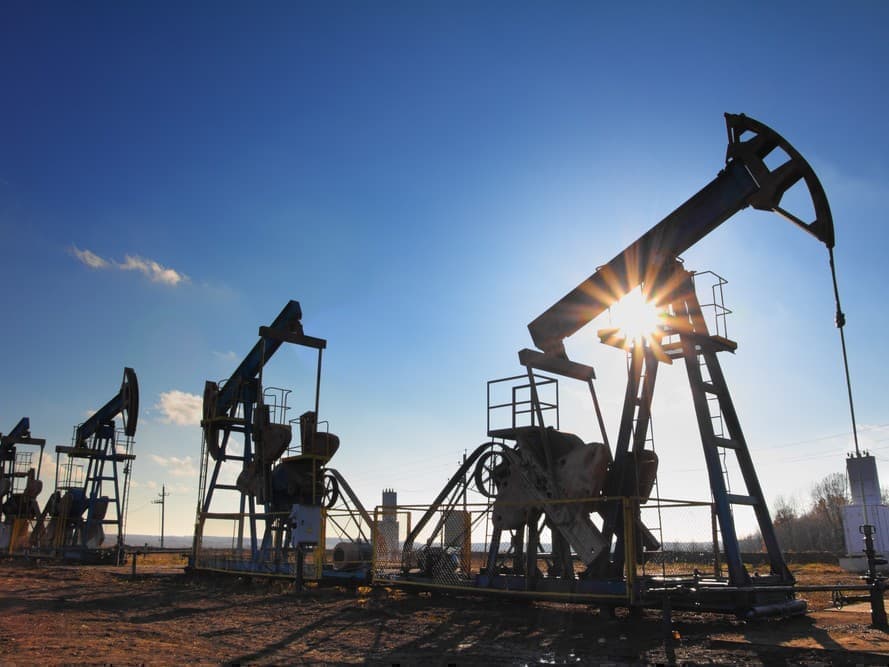
Source: Oil Price
U.S. field production of crude oil reached 404.6 million barrels during the month of August, new EIA data showed this week, for an average of 13.05 million barrels per day—squarely breaking the previous record U.S. drillers set in July of 401.73 million barrels.
Increases in production were seen in PADDs 1, 2, 3, and 4, with the largest percentage increase in production seen in PADD 4, which comprises Colorado, Idaho, Montana, Utah, and Wyoming. The largest actual increase was seen in PADD 2, which includes North Dakota, Illinois, and Kentucky, among other states.
In Texas, the top oil-producing state, crude oil production reached a record high of 5.7 million barrels per day (bpd) in August, per the most recent monthly energy economic analysis by Texas Oil & Gas Association (TXOGA) Chief Economist Dean Foreman.
“Texas’ production of oil and natural gas has achieved records despite relatively modest drilling activity. Productivity gains and leveraging wells that have been drilled but not yet completed have provided a tailwind,” Foreman wrote at the end of September.
Producers in the Permian in Texas and New Mexico and the other shale plays have boosted production of crude oil despite a loss of 117 rigs so far this year, per Baker Hughes data as of October 27.
U.S. crude oil producers have been shedding rigs for most of the year, while the rig count largely stabilized in October.
Part of the production gains were due to the time lag between a significant shift in oil prices and actual production—as Reuters columnist John Kemp notes, “it takes on average about 12 months for a change in prices to filter through into a change in output.”
But the main driver of production gains has been higher efficiency in drilling and other operations.
The U.S. shale patch is now looking to do more with less as it seeks capital and operational efficiency to prove to shareholders that it has turned the page from growth at all costs to measured growth accompanied by higher returns to investors.
The oil and gas firms operating from the Permian to Marcellus shale plays are drilling increasingly deeper lateral wells as drilling rigs are fewer, but wells are longer.
Despite the loss of active drilling rigs, shale firms are producing more oil and gas and have even exceeded some skeptical projections from earlier this year.
Between July and September, activity in the oil and gas sector in Texas, southern New Mexico, and northern Louisiana increased and was driven by the exploration and production (E&P) side of the business, according to oil and gas executives responding to the latest Dallas Fed Energy Survey.
Most executives, 84%, said they expect the number of U.S. oil rigs six months from now to be near current levels, with 14% anticipating a much higher number of oil rigs six months from now and only 1% expecting the number to be much lower.
Despite expectations of a flat number of rigs, U.S. crude oil production is growing, although at a slower pace than before the pandemic. The Energy Information Administration (EIA) has been raising slightly its estimates for American oil output in recent months.
In the latest Short-Term Energy Outlook (STEO), the administration expects U.S. crude oil production to average 12.92 million bpd this year and 13.12 million bpd next year.
In the August outlook, the EIA noted that despite the falling rig counts, “increased well productivity has offset the decline in active rigs so far in 2023.”
“In 2024, we expect the number of active rigs to increase, helping to grow crude oil production in the second half of the year.”
By Tsvetana Paraskova for Oilprice.com

