CO 2注入作业的成功以及长期储存的持久性部分取决于井设计和建井所用的材料。作者描述了他们开发的一系列技术,这些技术能够增强油井的稳健性、碳储存设施的监测及其性能建模。这些技术的结合能够跟踪井下和地下流体的分布和流动。此外,可扩展技术可用于开发剩余储层,同时防止CO 2羽流迁移。
介绍
除了影响羽流迁移的选址和地质特征之外,井的施工设计和材料对成功封存也有重大影响。
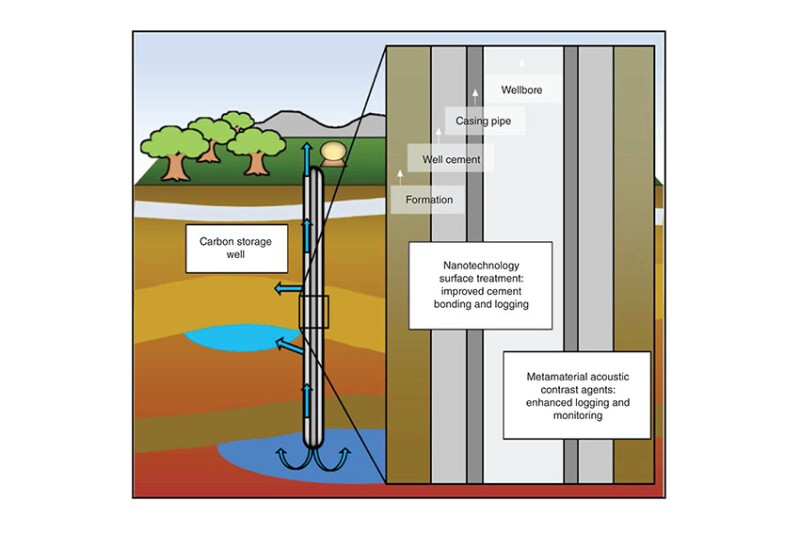
CO 2注入作业的成功以及长期储存的持久性部分取决于井设计和建井所用的材料。作者描述了他们开发的一系列技术,这些技术能够增强油井的稳健性、碳储存设施的监测及其性能建模。这些技术的结合能够跟踪井下和地下流体的分布和流动。此外,可扩展技术可用于开发剩余储层,同时防止CO 2羽流迁移。
除了影响羽流迁移的选址和地质特征之外,井的施工设计和材料对成功封存也有重大影响。
The success of CO2 injection operations, and the endurance of long-term storage, are partially dependent on well design and the materials used for well construction. The authors describe a stack of technologies they have developed that enable enhanced well robustness, monitoring of carbon-storage facilities, and modeling of their performance. The combination of these technologies enables the tracking of downhole and subsurface fluid distribution and flow. Furthermore, the scalable technologies can be used to exploit remaining reservoirs while preventing CO2-plume migration.
Besides site selection and geological features that influence plume migration, well-construction design and materials have a major effect on successful storage.