定向井/复杂井

远程钻孔管理克服了强度各向异性并提高了钻孔清洁度

本文作者写道,使用大角度井穿过各向异性页岩地层是一种有前途的方法,可以提高采油率,同时减少所需的井总数。

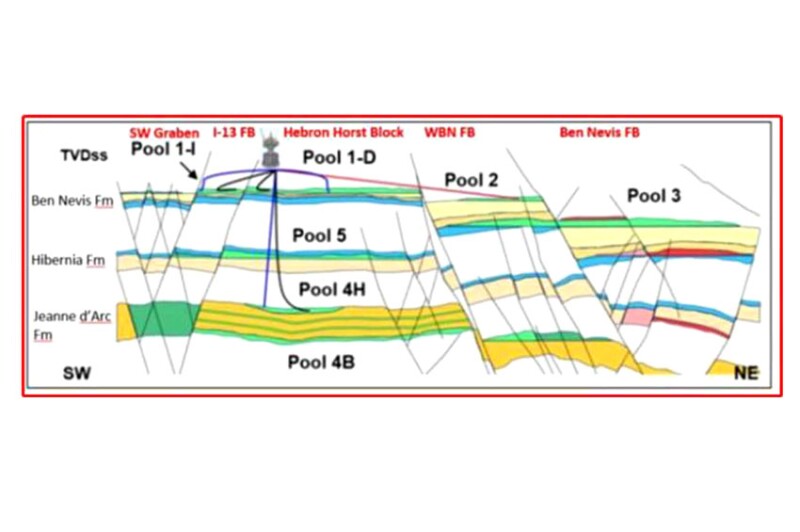
希伯伦场示意图。
希伯伦场示意图。
来源:SPE 223794。

全文作者描述了一个案例研究,该研究通过正确理解页岩破裂机制、表征页岩强度各向异性以及实施强度各向异性融合模型,认为在具有挑战性的页岩地层中钻大斜度井是可行的。在先导井成功之后,作者采用优化参数和更高的泥浆比重 (MW) 钻探了一口大斜度井,实现了零非生产时间 (NPT) 钻井。

介绍

尽管人们对各向异性有了很好的了解,但对不稳定性机制的误解导致不愿使用更高的MW,这常常会导致井眼失败、由井斜问题引起的NPT,以及不愿钻大角度延长钻井井筒。

加拿大东部的希伯伦(Hebron)油田也面临着类似的挑战。此前,附近油田的邻井作业者曾建议,由于井壁严重不稳定,钻穿财富湾(Fortune Bay)地层的井倾角不应超过45°。希伯伦油田主要包含三个产层:本尼维斯(Ben Nevis)、海伯尼亚(Hibernia)和珍妮·德·尔克(Jeanne d'rck,JDA)。在最初开发较浅的地层之后,重点转向开发JDA地层,这需要以大角度钻进财富湾页岩。

SPE徽标CMYK反式
成为 SPE 会员继续阅读
SPE 会员:请在页面顶部登录,即可访问此会员专属内容。如果您还不是会员,但觉得 JPT 内容很有价值,我们鼓励您加入 SPE 会员社区,获取完整访问权限。
原文链接/JPT
Directional/complex wells

Remote Borehole Management Overcomes Strength Anisotropy and Enhances Hole Cleaning

The authors of this paper write that the use of high-angle wells through anisotropic shale formations represents a promising approach to improving oil recovery while reducing the overall number of wells required.

Hebron Field Schematic.
Source: SPE 223794.

The authors of the complete paper describe a case study in which, through proper understanding of failure mechanisms, characterization of shale strength anisotropy, and implementation of strength-anisotropy incorporated models, drilling high-angle wells through a challenging shale formation was deemed feasible. Following a pilot well’s success, a high-angle well was drilled using optimized parameters and higher mud weight (MW), achieving drilling with no nonproductive time (NPT).

Introduction

Although anisotropy is well understood, misconceptions about instability mechanisms creating reluctance to use of higher MW often lead to wellbore failure, NPT caused by hole‑cleaning issues, and a reluctance to drill high-angle extended‑reach-drilling wells.

In the Hebron field in eastern Canada, a similar challenge arose. Previous drilling by offset operators in nearby fields suggested that wells through the Fortune Bay formation should not exceed 45° inclinations because of severe wellbore instability. The Hebron field includes three main producing formations: the Ben Nevis, the Hibernia, and the Jeanne d’Arc (JDA). Following initial shallower formation development, focus shifted to JDA formation development, which would require drilling the Fortune Bay shale at a high angle.

×
SPE_logo_CMYK_trans_sm.png
Continue Reading with SPE Membership
SPE Members: Please sign in at the top of the page for access to this member-exclusive content. If you are not a member and you find JPT content valuable, we encourage you to become a part of the SPE member community to gain full access.