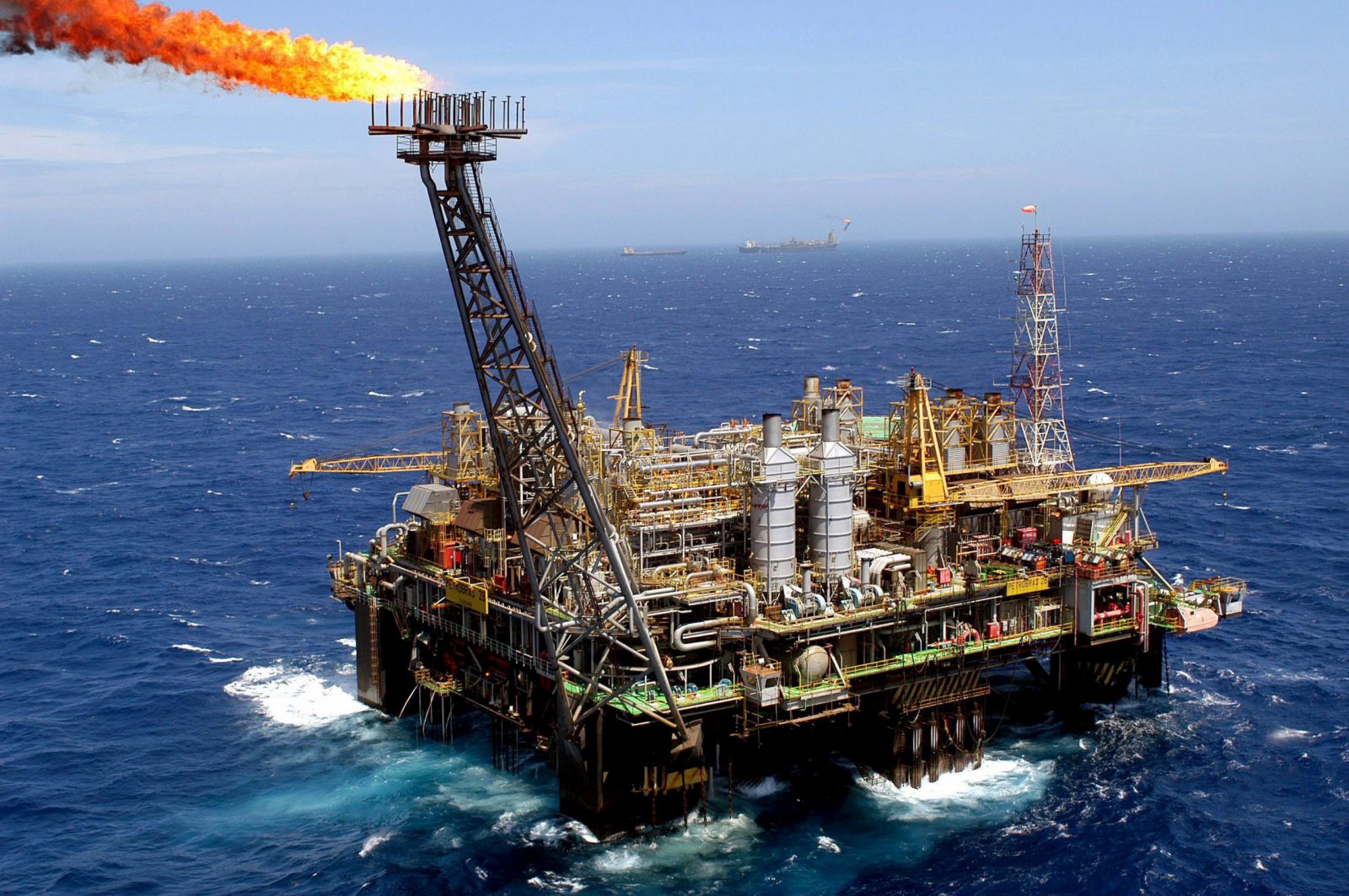
BP is preparing to drill a deepwater well on the Brazilian continental shelf in an attempt to break a string of failures for other oil and gas majors. The company’s press service reports this.
Drilling work
Drilling operations are planned at the Pau Brasil field in the Santos Basin. On November 9, 2023, it became known that BP offshore Brazil entered into an agreement with Valaris Ltd. contract for the use of the drillship Valaris DS-15:
- the contract involves drilling the 1st well;
- contract validity: will start at the end of the 1st – beginning of the 2nd quarter, 2024; will last 80 days;
- the estimated cost of the contract is about 33 million US dollars (without additional payments for mobilization of the vessel and other services), the daily rate is 410 thousand US dollars.
Brazil’s most productive deposits are located in the subsalt zone, but in recent years geological exploration work has not brought the desired results. Major companies including Shell and ExxonMobil Corp. spent billions acquiring concessions and conducting exploration campaigns in pre-salt blocks without announcing significant discoveries, and even returned some blocks to Brazil’s oil regulator ANP.
ExxonMobil Failure
- in 2017, ExxonMobil, together with partners, began acquiring deep-water subsoil areas on the Brazilian shelf, allocating $4 billion for these purposes, however, exploration efforts have yielded disappointing results and no commercial discoveries have been made;
- in 2021, ExxonMobil drilled 2 wells in the Brazilian Campos and Santos basins, in 2022 – a well in the Sergipe-Alagoas basin, all 3 drilled wells did not show the presence of economically feasible oil reserves for development;
- following the termination of the last existing rig lease contract in April 2022, ExxonMobil no longer solicited proposals from drilling companies for exploration activities in Brazil;
- in December 2022, ExxonMobil missed the latest auction for offshore subsoil areas in Brazil;
- in April 2023, it became known that the company had relocated geologists and engineers working on the project in Brazil to other countries – Guyana, Angola and Canada.
ExxonMobil did not officially abandon work in Brazil and planned to focus its efforts on the Bacalhau (formerly Carcara) pre-salt field, which is operated by Equinor.
For BP Pau Brazil, this is another chance to gain a foothold in the country. The company has not produced oil in Brazil since it sold a small field in 2013. Then in 2020, the company sold two more deepwater fields acquired in 2011 as part of a deal to acquire Devon Energy Corp.’s exploration portfolio for $3.2 billion. in Brazil. BP also pulled out of the environmentally sensitive Foz do Amazonas region off the country’s northeast coast after difficulties in obtaining drilling permits.
It is predicted that oil production in Brazil will begin to decline in the 2030s. unless new deposits are discovered.
Source


 by
by