套管/固井/分区隔离

研究调查 Culzean 油田的套管磨损情况

本文介绍了 Culzean 油田(北海中部的高压/高温凝析气田)六口井的预测磨损与实测磨损情况。

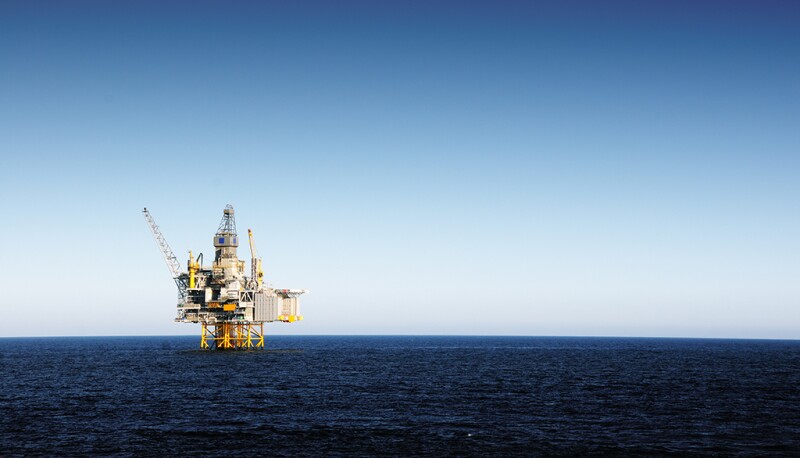
海上石油平台
盖蒂图片社。

本文介绍了 Culzean 油田(北海中部的高压/高温 (HP/HT) 凝析气田)六口井的预测磨损与实测磨损情况。整篇论文的重点是监测和分析过程,特别是如何使用偏移数据来提高套管磨损预测的准确性。

田野和井背景

Culzean油田的油井很深,测量深度(MD)为15,000-16,500英尺,呈J形,帆角较小(倾角30-40°)。这些特征导致在堆积处产生显着的拉力载荷,并且可能在垂直截面的计划外曲率处产生显着的拉力载荷。加上可能的高旋转时间,这些因素造成了套管高磨损的相当大的风险。

此外,还存在具有挑战性的压力状态。

SPE_logo_CMYK_trans_sm.png
成为 SPE 会员继续阅读
SPE 会员:请在页面顶部登录才能访问此会员专享内容。如果您还不是会员,但发现 JPT 内容很有价值,我们鼓励您成为 SPE 会员社区的一部分,以获得完全访问权限。
原文链接/jpt
Casing/cementing/zonal isolation

Study Investigates Casing Wear in the Culzean Field

The paper presents predicted vs. measured wear for six wells in the Culzean field, a high-pressure/high-temperature gas condensate field in the central North Sea.

Offshore oil platform
Getty Images.

This paper presents predicted vs. measured wear for six wells in the Culzean field, a high-pressure/high-temperature (HP/HT) gas condensate field in the central North Sea. The focus of the complete paper is on the monitoring and analyzing process, particularly how to use offset data to improve accuracy of casing-wear prediction.

Field and Well Background

Wells in the Culzean field are quite deep, with a measured depth (MD) of 15,000–16,500 ft, and are J-shaped with a slight sail angle (inclination 30–40°). These features result in significant tension loads at the buildup and, potentially, at unplanned curvatures in the vertical section. Combined with possibly high rotating hours, these factors create a considerable risk of high casing wear.

Additionally, a challenging pressure regime is present.
×
SPE_logo_CMYK_trans_sm.png
Continue Reading with SPE Membership
SPE Members: Please sign in at the top of the page for access to this member-exclusive content. If you are not a member and you find JPT content valuable, we encourage you to become a part of the SPE member community to gain full access.