Oil Price
There is a great mismatch between dominant climate narratives and the reality of the global energy sector. While energy industry insiders and environmentalists alike claim that the energy industry is heavily investing in cleaner alternatives and that the death of fossil fuels is just around the corner, Big Oil’s ledgers tell a different story.
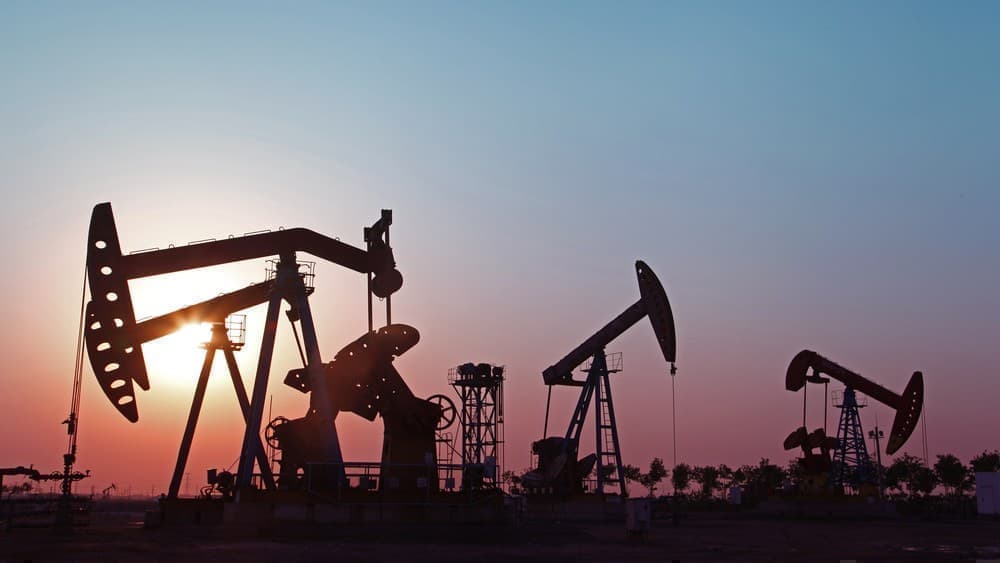
Source: Reuters
“The death of the oil industry has been greatly overstated,” said Kevin Book, managing director at the consulting firm ClearView Energy. “The realities of demand and the limitations of alternatives haven’t changed.”
In October, The International Energy Agency (IEA) predicted that coal, oil, and gas are all due to begin their terminal decline earlier than previously predicted in the World Energy Outlook 2023, its flagship annual report. The report found that with just the climate and energy policies that are already in place today, demand for coal, oil, and gas are each expected to peak by 2030. This projection comes as a shock – the report marks the first time that demand for each fuel has been predicted within this decade.
But reality might be a bit messier than those figures suggest. Oil profits are soaring, and many supermajors are planning to ramp up investments in future extraction of fossil fuels. The United States had a record year, and Chevron and Exxon Mobil are busily acquiring rivals with untapped reserves, indicating that they think they are none too concerned about the alleged looming threat of peak oil.
It goes without saying that the world can’t ditch fossil fuels overnight, and access to affordable and reliable baseload energies will be necessary to ease the energy transition and avoid painful energy shocks. “It is highly unlikely that society would accept the degradation in global standard of living required to permanently achieve a scenario like the IEA [scenario]”, Exxon said in its reply to the IEA’s 2050 net-zero emissions (NZE) scenario, which lays out a pathway for limiting the global temperature rise to 1.5 degrees Celsius. But many critics feel that Big Oil is using this line of argument as an excuse and even a scare tactic to continue investing in extraction rather than in finding better energy alternatives.
Indeed, instead of continuing to intensify their efforts toward meeting global climate goals, many supermajors have been walking back their previous pledges or merely failing to achieve them. Earlier this year, BP announced that it would be slashing its promise to reduce carbon emissions from its energy production by 35 to 50 percent by 2030 to just 20 to 30 percent. But while their actions speak volumes, spokespeople for the oil and gas industry continue to avow their commitment to reducing emissions and collaborating with the decarbonization movement.
This contradiction is highly visible at this year’s COP28 United Nations Climate Change Conference currently taking place in Dubai’s Expo City in the United Arab Emirates in a conference venue paid for with oil wealth in the middle of one of the world’s most prominent petro-states. The UAE negotiating team has said with “cautious optimism” that it believes COP28 could result in a commitment to phasing down fossil fuels over the coming decades, an accomplishment that has proved to be impossible in previous COPs. However, no one is even suggesting that a hard date be set or that “abated” fossil fuels be challenged.
“Abated” fossil fuels are a contentious topic as technologies like carbon capture are a central platform of the decarbonization plans of oil and gas companies, but are largely dismissed by environmentalists. Sen. Jeff Merkley (D-Ore.) has dismissed such tactics as “99 percent greenwashing,” saying: “What they’re trying to do is protect their established ownership of fossil assets.”
So is peak oil right around the corner? Or not? It seems that larger market forces are pushing oil, gas, and coal in the direction of the dodo, but it’s just as clear that there is still money to be made in their extraction. And until that changes, there will always be someone willing to drill.
By Haley Zaremba for Oilprice.com

