在海上平台或多井平台钻探地面部分会增加井眼碰撞的风险。目前,井眼碰撞管理是通过进行固定测量并在钻头前方进行投影来计算与邻井的最小允许间距来实现的。然而,这种方法无法确定邻井的距离和方向。本文介绍了一种连续被动磁测距技术,可以在钻井过程中提供邻井的实时距离和方向,而无需中断钻井作业。
介绍
采用确定性动态勘测 (DDS) 的测距技术在墨西哥湾最大的海上油田 Thunder Horse 油田得到部署。
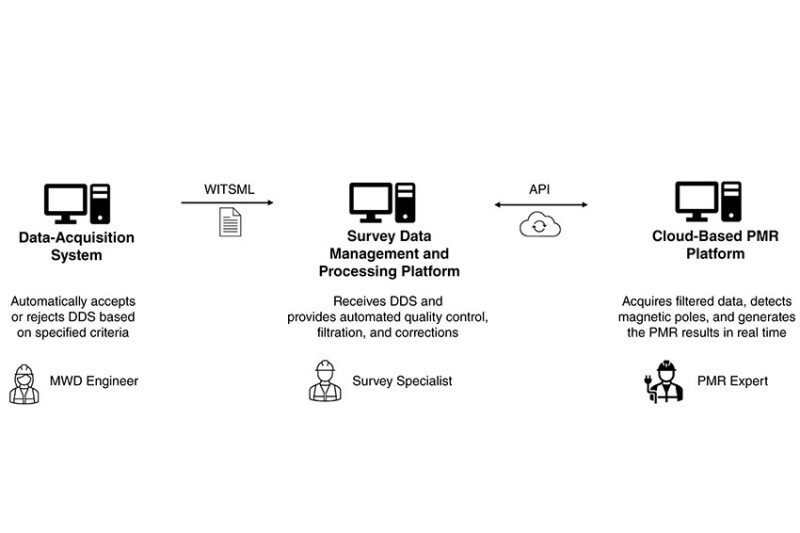
在海上平台或多井平台钻探地面部分会增加井眼碰撞的风险。目前,井眼碰撞管理是通过进行固定测量并在钻头前方进行投影来计算与邻井的最小允许间距来实现的。然而,这种方法无法确定邻井的距离和方向。本文介绍了一种连续被动磁测距技术,可以在钻井过程中提供邻井的实时距离和方向,而无需中断钻井作业。
采用确定性动态勘测 (DDS) 的测距技术在墨西哥湾最大的海上油田 Thunder Horse 油田得到部署。
Drilling a surface section from an offshore platform or a multiwell pad increases the risk of well collision. Managing well collision is currently performed by taking stationary surveys and projecting ahead of the bit to calculate the minimum allowable separation distance from the offset well. This approach, however, does not possess any means of confirming the distance and direction of the offset well. The complete paper presents a continuous passive magnetic ranging technique that can provide real-time distance and direction to the offset well while drilling without interrupting the drilling operation.
The deployment of the ranging technique using definitive dynamic surveys (DDS) took place in Thunder Horse field, the largest offshore field in the Gulf of Mexico.