纳斯达克


伦敦——随着基准原油价格攀升至每桶 100 美元,投资组合投资者似乎已经完成了石油购买,引发了对交易变得拥挤和一些获利了结的担忧。
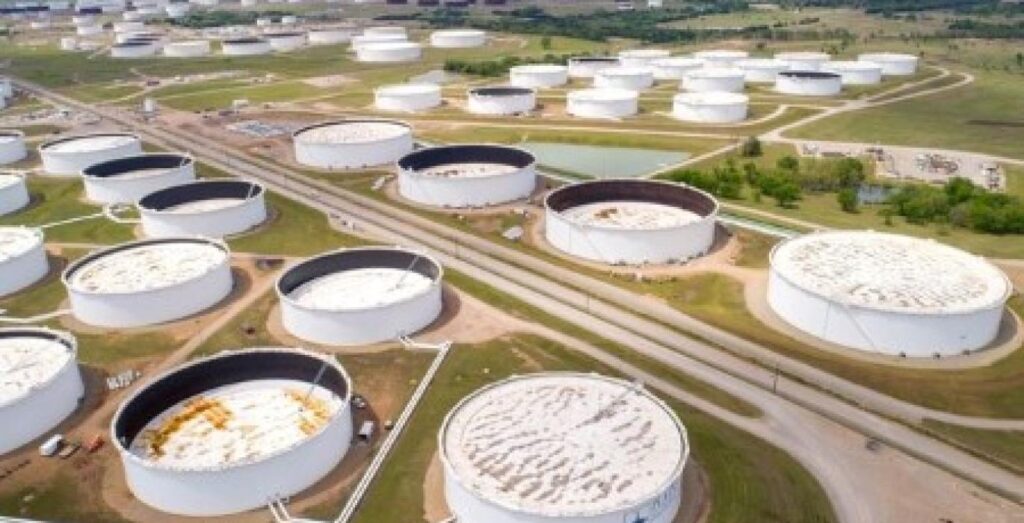
 

石油投资者对库欣紧缩持谨慎态度:Kemp-石油和天然气 360

资料来源:路透社

截至 9 月 26 日的 7 天内,对冲基金和其他基金经理卖出了相当于 2500 万桶的六种最重要的石油期货和期权合约。

根据向 ICE 欧洲期货交易所和美国商品期货交易委员会提交的记录,基金经理自 8 月 29 日以来购买了 1.55 亿桶石油,四个星期以来首次出现净卖家。

资金继续购买 NYMEX 和 ICE WTI(+1600 万桶),反映出俄克拉荷马州库欣交割点周围原油库存的加剧。

最近五周 WTI 购买量总计 1.52 亿桶,净头寸达到 2.86 亿桶(自 2013 年以来所有周的第 60 个百分点)。

但继前三周买入(+6300 万桶)之后,基金在最近一周净卖出布伦特原油(-2200 万桶)。

布伦特原油净头寸(2.44 亿桶)与长期平均水平(2.32 亿桶)没有显着差异,这表明价格下一步走势存在高度不确定性。

在产品方面,基金经理是美国汽油(-1300万桶)和欧洲瓦斯油(-700万桶)的重要卖家,但仅部分被美国柴油(+200万桶)的小额购买所抵消。

总体而言,库欣原油库存的迅速消耗仍在吸引对冲基金建立多头头寸,以从库存紧缩中受益。

基金还看好美国柴油,其库存仍远低于十年季节性平均水平,并且在夏季汽油生产活动期间未能恢复。

但其他地方的投资者变得谨慎起来,价格已经高于长期通胀调整后的平均水平,而持续的通胀导致经济前景恶化。

美国天然气

尽管逐步消除了 2022 年遗留下来的大量库存过剩,但投资者对美国天然气价格的前景变得越来越悲观。

结果,基金在 9 月 26 日持有净空头头寸 2730 亿立方英尺(自 2010 年以来所有周的第 24 个百分位),低于 7 月 11 日的净多头头寸 7430 亿立方英尺(第 48 个百分位)。

9 月 22 日,工作库存仅比十年季节性平均值高 750 亿立方英尺(+2% 或 +0.27 标准差),低于 6 月 30 日的盈余 2990 亿立方英尺(+12% 或 +0.81 标准差) 。

但美国气候预测中心的中期预测显示,整个十月份几乎全国的气温可能会高于平均水平。

展望未来,太平洋地区强烈的厄尔尼诺现象可能会导致 12 月至 2 月冬季高峰期的供暖需求和天然气消耗量降至平均水平以下。

2023/24 年冬季气温高于平均水平且天然气消耗量低于平均水平的前景使对冲基金保持看跌。

原文链接/oilandgas360

Nasdaq


LONDON – Portfolio investors appear to have finished their petroleum buying as benchmark crude prices climbed towards $100 per barrel, prompting concerns about the trade becoming crowded and some profit-taking.


Oil investors turn cautious away from Cushing squeeze: Kemp- oil and gas 360

Source: Reuters

Hedge funds and other money managers sold the equivalent of 25 million barrels in the six most important petroleum futures and options contracts over the seven days ending Sept. 26.

Fund managers were net sellers for the first time in four weeks after buying 155 million barrels since Aug. 29, according to records filed with ICE Futures Europe and the U.S. Commodity Futures Trading Commission.

Funds continued to purchase NYMEX and ICE WTI (+16 million barrels), reflecting the intensifying squeeze on crude inventories around the delivery point at Cushing in Oklahoma.

WTI purchases have totalled 152 million barrels over the five most recent weeks and taken the net position to 286 million barrels (60th percentile for all weeks since 2013).

But funds were net sellers of Brent in the most recent week (-22 million barrels) after buying in the three previous weeks (+63 million).

The net position in Brent (244 million barrels) is not significantly different from the long-term average (232 million barrels), and signals a high level of uncertainty about where prices will go next.

On the product side, fund managers were significant sellers of U.S. gasoline (-13 million barrels) and European gas oil (-7 million), which was only partially offset by some small buying of U.S. diesel (+2 million).

Overall, the rapid depletion of crude inventories at Cushing was still drawing hedge funds to build long positions to benefit from the inventory squeeze.

Funds were also bullish towards U.S. diesel, where inventories remain well below the ten-year seasonal average and have failed to recover during the summer gasoline production campaign.

But elsewhere investors have become cautious, with prices already above the long-run inflation-adjusted average, and persistent inflation causing the economic outlook to worsen.

U.S. NATURAL GAS

Investors became increasingly bearish on the outlook for U.S. gas prices despite progressive elimination of the large inventory surplus inherited from 2022.

As a result, funds held a net short position of 273 billion cubic feet (24th percentile for all weeks since 2010) on Sept. 26, down from a net long position of 743 billion cubic feet (48th percentile) on July 11.

Working inventories were just 75 billion cubic feet (+2% or +0.27 standard deviations) above the ten-year seasonal average on Sept. 22, down from a surplus of 299 billion (+12% or +0.81 standard deviations) on June 30.

But medium-range forecasts from the U.S. Climate Prediction Center show temperatures are likely to be above average across nearly the whole country throughout October.

Further forward, strong El Nino conditions in the Pacific are likely to reduce heating demand and gas consumption to below average during the peak winter months between December and February.

The prospect of above-average temperatures and below-average gas consumption during winter 2023/24 is keeping hedge funds bearish.