BP Transitions Back, Ramps Up Oil and Gas Spending
The supermajor is making a major course correction as it plans to slash renewable investment and focus more on oil and gas development.
BP is now increasing oil and gas operations, expecting startup of 10 major projects by 2027.
Source: BP.
It was 5 years ago this February, BP became the first supermajor to commit to net-zero emissions by 2050 or sooner. In fact, the London-based oil and gas giant went even further, announcing plans to cut oil and gas production by 40% compared with 2019 levels.
This pledge came under former CEO Bernard Looney, who resigned in 2023. He was succeeded early last year by Murray Auchincloss, who is now steering the company's latest energy transition—this time back toward oil and gas production growth.
BP is reshaping its investment priorities, channeling more capital into oil and gas while lowering transition spending to $1.5 to $2 billion annually—$5 billion less than initially planned.
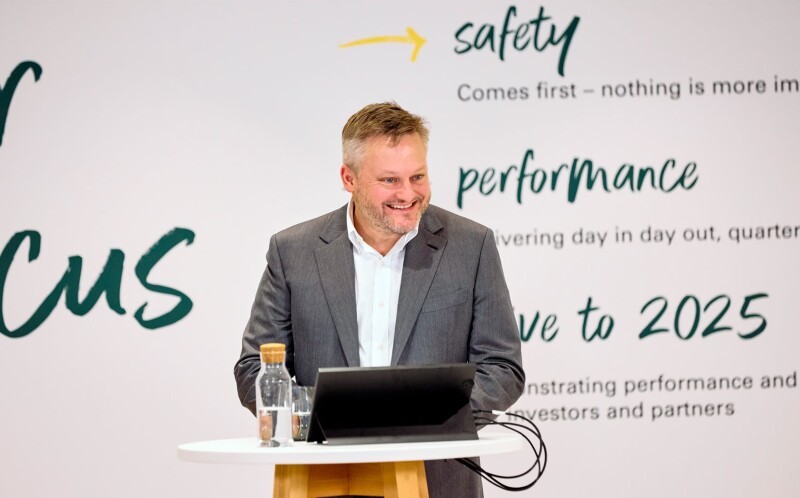
BP CEO Murray Auchincloss.
Source: BP.
“We will grow upstream investment and production to allow us to produce high-margin energy for years to come. We will focus our downstream on markets where we have leading integrated positions. And we will be very selective in our investment in the transition, including through innovative capital-light platforms. This is a reset BP, with an unwavering focus on growing long-term shareholder value,” Auchincloss said in a statement released with the announcement.
The decision to retreat from renewables comes less than 3 weeks after Equinor announced plans to cut its renewable energy investments by 50% to $5 billion over the next 2 years while shifting greater focus to oil and gas production. The Norwegian company expects more than 10% growth in oil and gas output from 2024 to 2027.
BP’s earnings have taken a hit in recent years and the company is seeking to regain investor confidence after underperforming compared with peers Shell, Chevron, and ExxonMobil. It is also facing pressure to make transformative change from activist investor Elliott Investment Management after it built a significant stake in the company. BP’s new direction places “free cash flow growth, returns, and value at its heart,” said BP Chairman Helge Lund in a statement.
The company aims to achieve more than 20% compound annual growth in free cash flow and improve returns on capital employed to over 16% by 2027. It expects strong cash flow generation and proceeds from divestments to help lower net debt to between $14 and $18 billion by the end of that year.
To execute its plan, BP aims to spend between $13 and $15 billion annually through 2027, trimming $1 to $3 billion from 2024 levels, with 2025 capital expenditure expected at around $15 billion.
The company plans to invest around $10 billion in oil and gas, which is 20% higher than its previous guidance, enabling the company to build higher-returning projects and increase exploration activities.
BP expects to start 10 major projects by 2027, with a focus on core regions in Azerbaijan, Trinidad, and the Middle East. In contrast, the company’s renewables sector has plans for only five to seven major projects.
“The outcome is an upstream that is growing to 2.3 to 2.5 million B/D in 2030, with around 1 million BOE/D expected to be delivered from the US, and with the capacity to increase production out to 2035,” said Auchincloss.
BP looks to raise its dividend by at least 4% per share annually and expects first-quarter share buybacks between $750 million and $1 billion, a decrease from its previous $1.75 billion forecast.
As part of its realignment strategy, BP is exploring the sale of its Castrol lubricant business and looking to bring in a partner to raise proceeds from its Lightsource BP solar business.
“We believe we have a world-class portfolio—a top tier oil and gas business in attractive basins, leading integrated positions and brands across the value chain,” Auchincloss said. “Our new strategy plays to these distinctive strengths and competitive advantages.”