受控源电磁学为CCS应用带来希望
本研究评估了碳捕获和储存背景下被动和主动电磁技术的优势、限制和必要的增强。
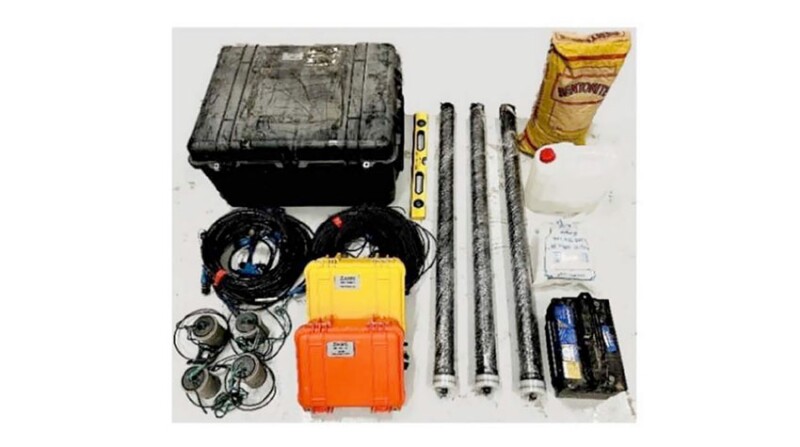
来源:SPE 225486。
An electromagnetic (EM) geophysical survey using controlled-source electromagnetic (CSEM) methods was conducted in North Dakota to evaluate its feasibility for monitoring subsurface CO2 fluid plumes. This study assesses the advantages, constraints, and necessary enhancements of both passive and active EM techniques in the context of carbon capture and storage (CCS). Surface log-scale resolution was successfully achieved, demonstrating the method’s capability to delineate fluid-plume boundaries and estimate fluid volumes with high accuracy.
CSEM methods are increasingly recognized for their ability to detect subtle electrical resistivity contrasts associated with subsurface fluid movements. Accurate and efficient monitoring of CO2 injection plumes is particularly crucial for ensuring operational integrity, safety, and environmental compliance in CCS projects. Inherent resolution limitations of surface-based EM methods, however, necessitate integrating supplemental borehole log data for accurate interpretation.