Yahoo News
DUBAI – Nearly a dozen deep-pocketed philanthropies announced on Saturday they will invest $450 million over the next three years to help countries launch national actions to tackle methane, the second-most prominent greenhouse gas, which has become a new focus of global climate negotiations.
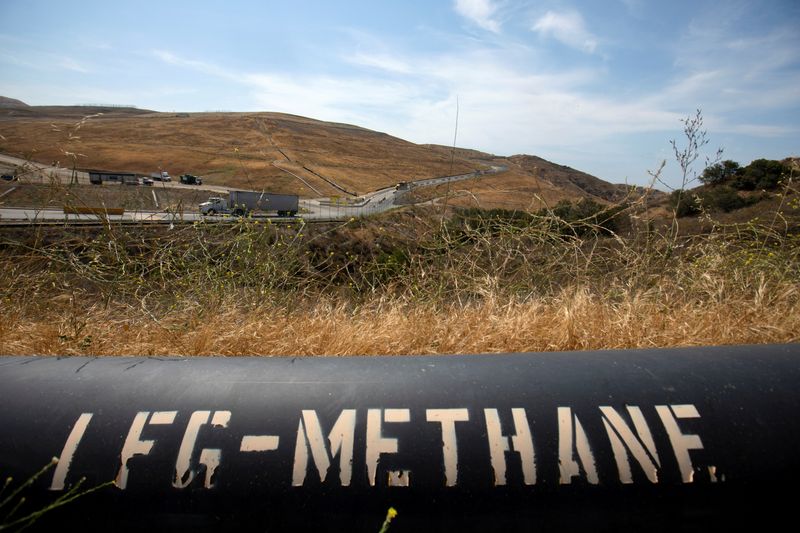
Source: Reuters
The philanthropies, which include the Bezos Earth Fund, Bloomberg Philanthropies and the Sequoia Climate Foundation, will help accelerate the phase-down of methane emissions and other non-carbon dioxide greenhouse gases.
Their announcement comes as the United States, UAE and China prepare to make several announcements at the U.N. COP28 climate summit on Saturday on raising more finance to tackle methane, and countries step forward with new plans to curb those emissions.
Climate experts say that including methane efforts in a legally binding summit agreement is a priority. While methane has more warming potential than carbon dioxide, it breaks down in the atmosphere within just years compared with decades for CO2. That means that reining in methane emissions can have a more immediate impact in limiting climate change.
Methane is emitted from a variety of sources, including oil and gas production, agriculture, landfills and food waste.
“With time short, we must be smart and decisive about how we stay below a 1.5-degree warmer world. One smart way will be for all to commit to ending methane leakages now and to regulate, urgently, all other super pollutants,” said Mia Amor Mottley, prime minister of Barbados.
While more than 150 countries have promised since 2021 to slash their methane emissions 30% from 2020 levels by 2030 under the U.S.- and EU-led Global Methane Pledge, few have detailed how they will achieve this.
Research firm Kayrros, which tracks methane emissions, said on Friday that despite the pledge, emissions of methane are not coming down, and in some places, they are even going up.
“We’ve been calling for an outright ban on super-emitters. Rapid cuts in methane emissions from fossil fuels could lead to a reduction of 0.1°C in global temperature rise by mid-century,” said Antoine Rostand, CEO of Kayrros.
(Reporting by Valerie Volcovici; Editing by Frances Kerry)

