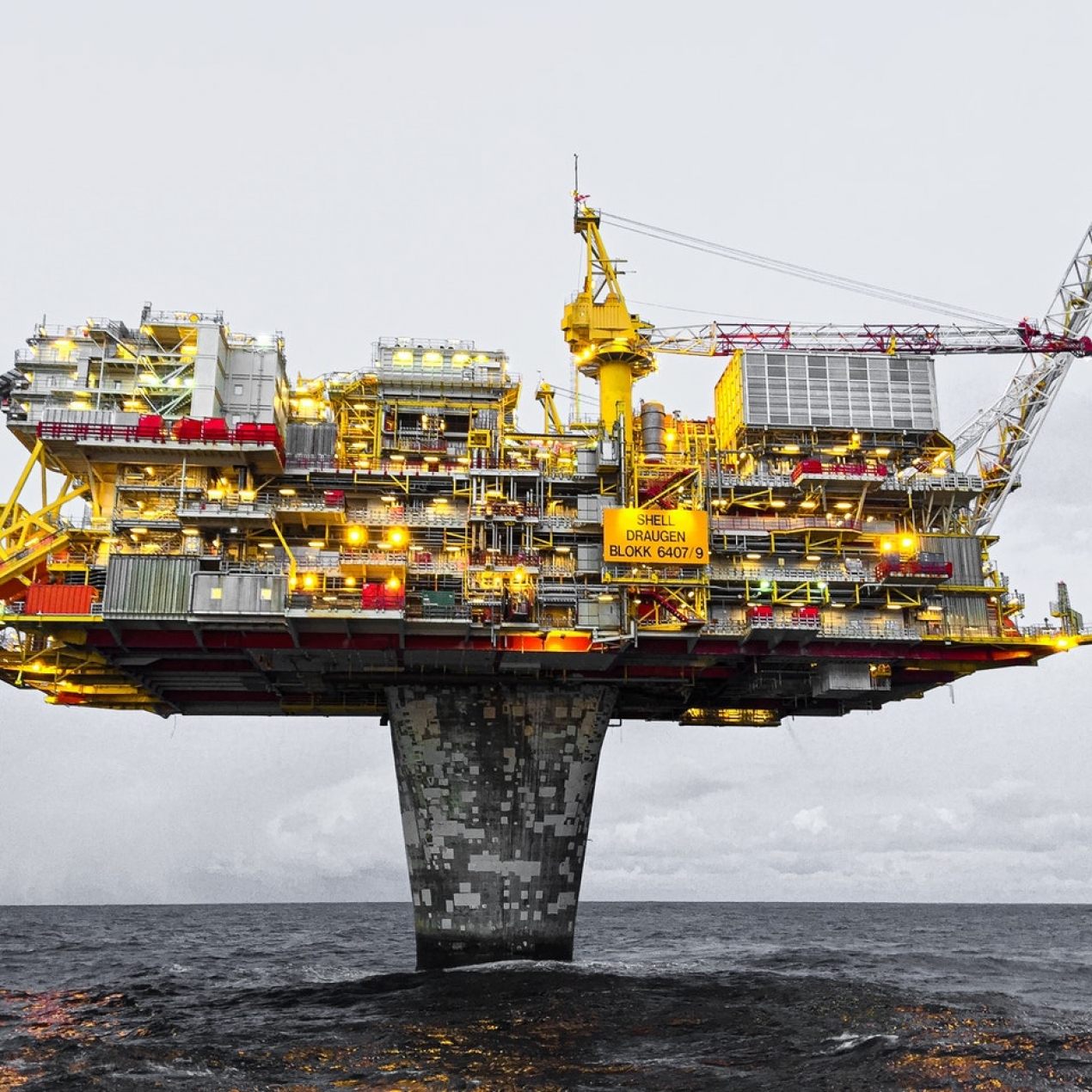
With global energy security back in focus, the offshore drilling market is experiencing a significant resurgence. No longer seen as a legacy sector, it’s fast becoming a cornerstone of modern energy strategy particularly as deepwater reserves grow in importance and geopolitical pressure heightens the need for stable supply chains.
According to the DataIntelo report, the market is projected to surge from USD 86 billion in 2023 to approximately USD 122 billion by 2032, expanding at a steady CAGR of 4.0%. This growth is largely fueled by the increasing demand for deepwater and ultra-deepwater projects alongside a new wave of strategic investments by major key players.
Offshore drilling is reemerging as a strategic priority as major economies emphasize long-term energy stability. Energy giants such as ExxonMobil, Shell, Transocean Ltd., Baker Hughes Company, and TotalEnergies are investing heavily in offshore assets to tap into vast, untapped deepwater reserves. Favorable policy environments, including tax incentives and streamlined regulatory frameworks, are further accelerating the pace of offshore development.
Key Growth Catalysts
- Rising Global Energy Demand:
The demand for energy continues to surge as urbanization and industrialization accelerate, particularly in emerging economies such as China and India. Offshore drilling offers access to substantial oil and gas reserves that are not available onshore, making it a vital component of the global energy supply chain.
- Technological Advancements:
Innovations in drilling technologies, such as enhanced drilling rigs, advanced well control systems, and real-time data monitoring, have significantly improved the safety, efficiency, and cost-effectiveness of offshore drilling operations. The development of floating production storage, offloading (FPSO) units, and subsea processing systems has further facilitated the exploration and production of hydrocarbons in deep and ultra-deepwater regions.
- Depletion of Onshore Reserves:
The exhaustion of easily accessible onshore oil and gas reserves is driving exploration and production (E&P) companies to venture into deeper and more challenging offshore environments. This shift is essential to meet the growing energy needs and to maintain a stable supply of hydrocarbons.
- Strategic Investments by Major Oil & Gas Companies:
Major oil and gas corporations, including ExxonMobil, BP, and Shell, are investing heavily in offshore exploration and production to discover new reserves and sustain their production levels. Rising oil prices, coupled with the need to replenish depleting reserves, are encouraging these companies to explore offshore regions. Additionally, favorable governmental policies and incentives for offshore exploration, such as tax benefits and subsidies, are further propelling the market’s growth trajectory.
Key Challenges
- Environmental Scrutiny and ESG Pressure:
Environmental regulations are tightening globally, putting pressure on offshore drilling companies to minimize ecological impact. Flaring reduction, decommissioning responsibilities, and oil spill mitigation are under intense scrutiny, especially from institutional investors with ESG mandates.
- Oil Price Volatility:
The volatile nature of oil prices can significantly impact the profitability and feasibility of offshore drilling projects. Sharp declines in oil prices can lead to reduced investments in exploration and production activities, affecting the demand for offshore drilling services. Additionally.
Regional Outlook
Offshore drilling activity is accelerating worldwide, with varying trends and drivers across regions:
This region is expected to witness substantial growth due to increasing energy demand and ongoing exploration activities in countries such as China, India, and Australia. The focus on energy security and the development of offshore reserves are key drivers in this market.
Particularly the Gulf of Mexico, remains a key region for offshore drilling, driven by technological advancements and significant investments in offshore projects. The region’s mature infrastructure and favorable regulatory environment support sustained growth.
With established offshore drilling activities in the North Sea, Europe continues to be a significant player. The region’s commitment to balancing energy needs with environmental considerations influences its offshore drilling strategies.
These regions are experiencing growth in offshore drilling due to the discovery of new reserves and increased investments in offshore exploration. Government initiatives and partnerships with international oil companies are facilitating this expansion.
Offshore Drilling in the Energy Transition
Offshore drilling is no longer viewed solely as a legacy operation in a renewable future. Instead, it is being repositioned as part of the broader energy transition. Hybrid rigs powered partially by renewables, offshore carbon capture integration, and green hydrogen hubs are reshaping traditional platforms.
Floating offshore wind is emerging as a complementary technology. In some regions, shared infrastructure and personnel between wind and oil platforms are creating synergies, leading to a more integrated offshore energy ecosystem.
Offshore Drilling Market: Key Players
- Transocean Ltd.
- Schlumberger Limited
- Halliburton Company
- Baker Hughes Company
- Noble Corporation
- Ensco Rowan plc
- Seadrill Limited
- Diamond Offshore Drilling, Inc.
- Maersk Drilling
Market Breakdown
The offshore drilling market is segmented by:
- Type: Jackups, Semisubmersibles, Drillships, and Others
- Water Depth: Shallow Water, Deepwater, and Ultra-deepwater
- Application: Oil & Gas, Renewable Energy, and Others
- Service: Contract Drilling, Directional Drilling, Logging While Drilling, Measurement While Drilling, and Others.
Conclusion
The offshore drilling market is set to continue its growth trajectory, supported by the relentless global demand for energy and the strategic shift towards offshore exploration due to onshore reserve depletion. Technological innovations and substantial investments by major oil and gas companies will further bolster this growth. However, the industry needs to navigate challenges such as environmental concerns, regulatory complexities, and the need for sustainable practices. Companies that combine innovation, sustainability, and strategic foresight are well positioned to lead the next era of energy development as offshore drilling evolves alongside the global energy transition.
Source