ExxonMobil plans to invest $1.5 billion to revitalize production at Nigeria’s Usan deepwater offshore oil field in the Niger Delta as it makes its first moves since the government approved the divestiture of the company’s onshore assets in October.
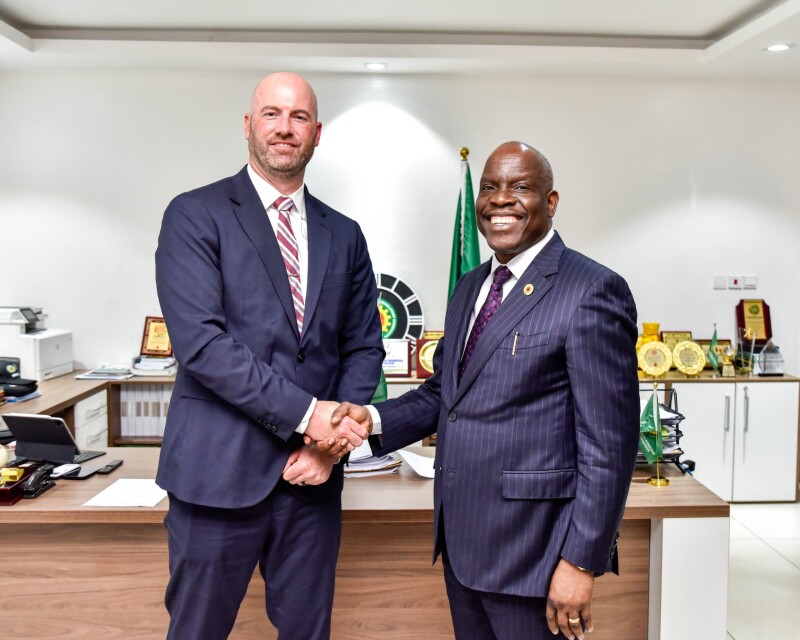
Shane Harris, ExxonMobil’s managing director in Nigeria, outlined the plan in a meeting on 6 May with the chief executive of the Nigerian Upstream Petroleum Regulatory Commission (NUPRC) Gbenga Komolafe.
According to a report on the oil regulator’s website, Harris said that the investment would be allocated from 2Q 2025 to 2027 to revitalize production at the Usan deepwater oil field, located on offshore Block OML 138 in the eastern Niger Delta, approximately 70 km (43.5 miles) offshore.
Discovered in 2002 and approved for development in 2008, Usan came on stream in 2012 and has been developed with approximately 34 subsea production and injection wells from eight subsea manifolds, analytics firm Wood Mackenzie said in a report published in April 2024.
The wells are tied back to a floating production, storage, and offloading vessel which can process up to 180,000 B/D of oil and store 2 million bbl. Usan's production peaked in 2014 at more than 100,000 B/D, according to the report.
FID on a Fast Track
ExxonMobil expects to reach a final investment decision (FID) on the Usan project in late Q3 2025, assuming the field development plan and internal and partner funding are approved. Project partners include TotalEnergies, Chevron, and China National Offshore Oil Co.
Harris emphasized that the $1.5 billion investment in Usan is in addition to other financial commitments that are targeted at accelerating development of the nearby Owowo and Erha deepwater fields.
Erha is located in OML 133 about 97 km offshore in the Gulf of Guinea while Owowo straddles OML 139 and OPL 223, all within range of Usan in terms of optimizing infrastructure. ExxonMobil operates all three fields.
Harris emphasized that the Usan project reflects ExxonMobil’s confidence in Nigeria’s upstream potential and its dedication to playing a pivotal role in the sector’s growth.
ExxonMobil’s move counters speculation about the operator’s potential withdrawal from Nigeria, instead underscoring a strategic expansion and strengthening of its operational footprint in the country, NUPRC said on its website.
Harris also voiced ExxonMobil’s support for the NUPRC’s “Project 1 Million Barrels” initiative, which aims to increase Nigeria’s crude oil production to 2.4 million B/D in the medium term.
In turn, NUPRC’s Komolafe pledged regulatory support to facilitate ExxonMobil’s operations.
Discussions during Harris’ visit also addressed compliance with the Domestic Crude Supply Obligation and the need for transparent pricing and accountability in the sector.
“The Commission is committed to the implementation of Section 109 of the PIA [Petroleum Industry Act] which addresses the subject of willing buyer, willing seller, and we urge producers to comply with the Domestic Crude Supply Obligation” Komolafe said.
In his role as the new chairman of the Oil Producers Trade Section, Harris said he hopes to strengthen collaboration between industry stakeholders and the NUPRC.
NUPRC has the statutory responsibility of ensuring compliance to petroleum laws, regulations, and guidelines in the upstream oil and gas sector, including monitoring of operations at drilling sites, producing wells, production platforms and flow stations, crude oil export terminals, and all pipelines carrying crude oil and natural gas.