Yahoo Finance
HOUSTON (Reuters) -Oil prices dipped during the first session of 2024, with economic headwinds from interest rate jitters unraveling gains from worries that tensions in the Red Sea could disrupt supplies.
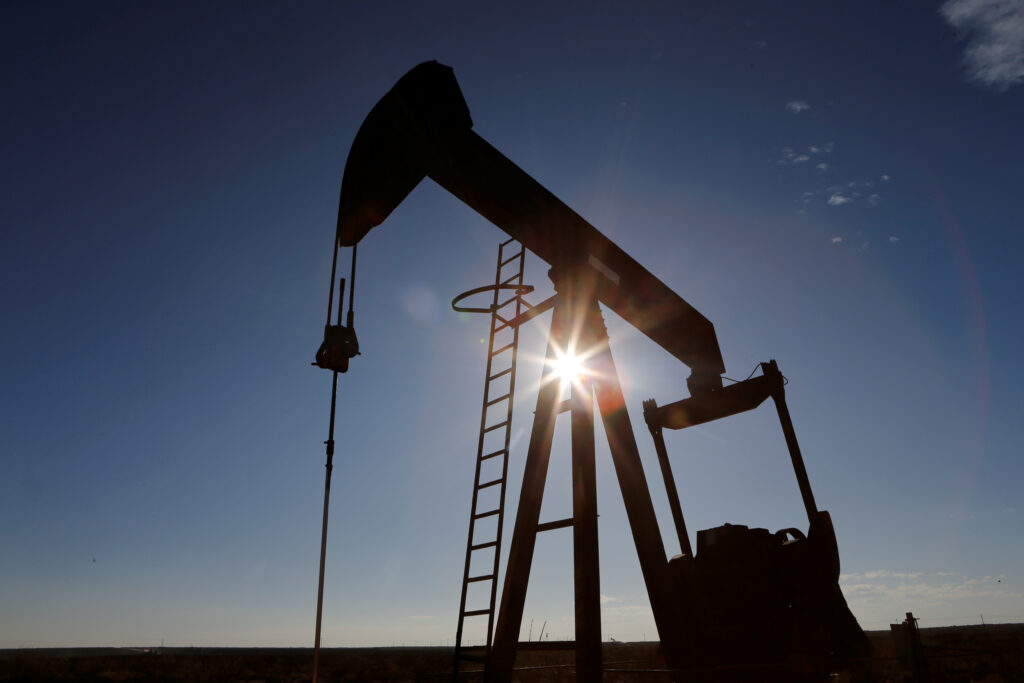
Source; Reuters
Brent crude was down 62 cents, or 0.8%, to $76.42 a barrel at 12:01 p.m. ET (17:01 GMT). U.S. West Texas Intermediate crude was down 72 cents, or 1%, at $70.93.
Prices rose briefly in early trade after attacks on vessels in the Red Sea by Houthi rebels over the weekend. Both benchmarks rose around $2 before retreating.
“The reality is there are no material supplies of crude oil at risk and no supply has been disrupted. To the extent of vessels transiting around the horn of Africa, it adds to costs but we are not losing supply”, said John Kilduff, partner with Again Capital LLC.
U.S. helicopters on Sunday repelled an attack by Iran-backed Houthi forces on a container vessel operated by Danish shipper Maersk in the Red Sea. An Iranian warship had entered the Red Sea on Monday, according to the semi-official Tasnim news agency.
Denmark’s Maersk and German rival Hapag-Lloyd said their container ships would keep avoiding the Red Sea route that gives access to the Suez Canal.
A wider conflict could close crucial waterways for oil transportation.
Meanwhile, traders tempered expectations around interest-rate cuts, which pressured oil prices along with a stronger dollar and softer equity markets.
Stock prices slipped as the yield on 10-year U.S. Treasury notes, the benchmark for global borrowing costs, briefly reached a two-week high, indicating falling demand for Treasury bonds.
A Reuters survey of economists and analysts predicted Brent crude would average $82.56 a barrel this year, up slightly from the 2023 average of $82.17, with weak global growth expected to cap demand. Geopolitical tensions, however, could support prices.
In China, investor expectations of economic stimulus measures rose after manufacturing activity shrank in December for a third month, government data showed on Sunday.
Any such stimulus could boost oil demand and support crude prices.
(Reporting by Georgina McCartney and Noah BrowningAdditional reporting by Florence Tan and Sudarshan VaradhanEditing by David Goodman, Mark Potter, Barbara Lewis and David Gregorio)