Investing
Oil prices jumped over 1% on Tuesday to 10-month highs, as weak U.S. shale output compounded supply concerns from extended production cuts by Saudi Arabia and Russia. Global benchmark futures were up $1.13, or 1.2%, to $95.56 a barrel by 11:14 a.m. EDT (1514 GMT). It hit a session high of $95.96 a barrel, the highest since November.
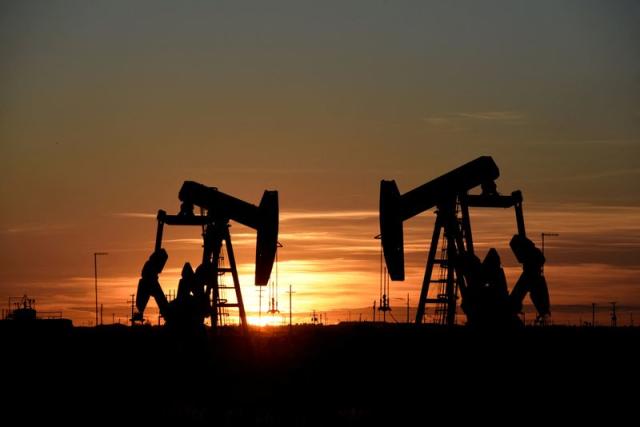
Source: Reuters
U.S. West Texas Intermediate crude futures were up $1.48, or 1.6%, to $92.96, after reaching $93.74 a barrel, also the highest since November.
Prices are on track to gain for their fourth consecutive session.
“The market is starting to realize that wherever you look there are concerns about tight supply, whether it’s , diesel or gasoline,” Price Futures Group analyst Phil Flynn said. “We’re getting a reality check.”
Feeding those concerns, U.S. oil output from top shale-producing regions is on track to fall to 9.393 million barrels per day (bpd) in October, the lowest since May 2023, the U.S. Energy Information Administration said on Monday. That would be a third consecutive monthly fall.
Those estimates come after Saudi Arabia and Russia, as part of the OPEC+ producer group, this month extended combined supply cuts of 1.3 million bpd to the end of the year.
Russia’s government is considering imposing export duties on all types of oil products of $250 per metric ton – much higher than current fees – from Oct. 1 until June 2024 to tackle fuel shortages, sources told Reuters on Tuesday.
Market participants awaited data on U.S. oil inventories, which were expected to have fallen by about 2.7 million barrels last week, according to analysts polled by Reuters.
Industry data from the American Petroleum Institute was due at 4:30 p.m. EDT (2030 GMT) on Tuesday, followed by U.S. government data on Wednesday.
Some believe climbing crude prices could be reaching their peak.
“Oil’s ascent into overbought territory leaves the market vulnerable to a correction,” National Australia Bank (OTC:) analysts wrote, pointing to volatility after speeches on Monday by Saudi Aramco (TADAWUL:) CEO Amin Nasser and Saudi Arabia’s energy minister.
The Aramco CEO lowered the company’s long-term outlook for global demand to 110 million bpd by 2030 from a previous estimate of 125 million bpd.
Saudi energy minister Prince Abdulaziz bin Salman defended OPEC+ supply cuts, saying international energy markets need light regulation to limit volatility, while warning of uncertainty over Chinese demand, European growth and central bank measures to tackle inflation.
Interest rate decisions are due this week from the central banks of the United States, Britain, Japan, Sweden, Switzerland and Norway.
This “will do nothing to calm nerves as the clash between considerably reduced supply and less than reassuring economic outlook continues”, said PVM Energy analyst Tamas Varga.

