自 20 世纪 60 年代以来,管状玻璃增强环氧树脂 (GRE) 衬里技术已在全球范围内应用于消除井下管腐蚀。与经常发生故障的传统碳钢相比,GRE 衬里的碳钢可提供持久的保护,从而节省大量生命周期成本。运营商实施了这项技术,成功试验了水处理井。在完整的论文中,作者分享了这些处理井在使用 4 年后下入井径记录和从中拔出的油管检查的数据。
运营商资产中的管道腐蚀
随着含水量和产量的增加,产生了大量的水,因此人们不可避免地会越来越重视水处理。
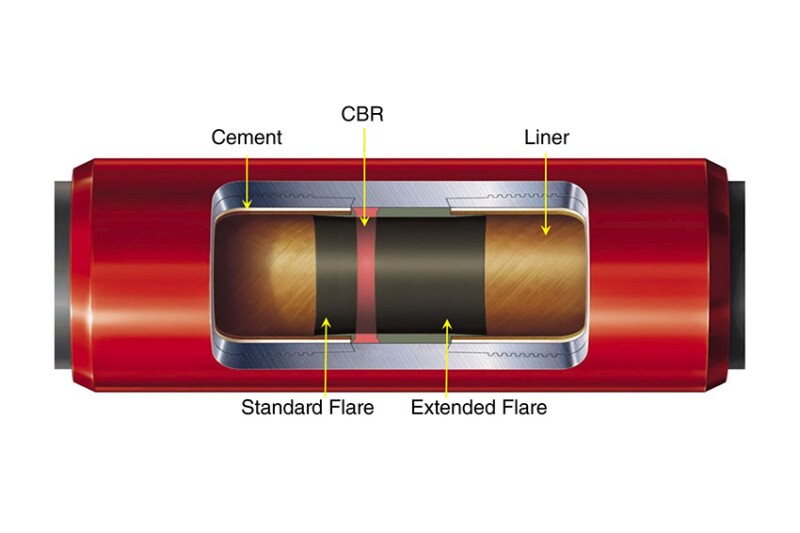
自 20 世纪 60 年代以来,管状玻璃增强环氧树脂 (GRE) 衬里技术已在全球范围内应用于消除井下管腐蚀。与经常发生故障的传统碳钢相比,GRE 衬里的碳钢可提供持久的保护,从而节省大量生命周期成本。运营商实施了这项技术,成功试验了水处理井。在完整的论文中,作者分享了这些处理井在使用 4 年后下入井径记录和从中拔出的油管检查的数据。
随着含水量和产量的增加,产生了大量的水,因此人们不可避免地会越来越重视水处理。
Tubular glass-reinforced-epoxy (GRE) lining technology has been applied globally since the 1960s in eliminating downhole tubular corrosion. Compared with conventional carbon steel, which can experience frequent failure, GRE-lined carbon steel provides long-lasting protection, resulting in huge savings in life-cycle cost. The operator implemented this technology for a successful trial of water-disposal wells. In the complete paper, the authors share the data from caliper logs run into, and the inspection of tubing pulled from, these disposal wells after 4 years in service.
A growing emphasis on water disposal was inevitable because so much water was being produced with increased water cut and production.