一家运营商专注于评估和验证其主要定向钻井服务提供商提供的一种新颖方法,该方法使用自动曲线钻井模式在无需人工干预的情况下自动钻探弯曲部分。自主曲线钻井技术有助于最大限度地减少人为错误,提高井定位的准确性,并提高钻井和修井作业的孔质量。
自动曲线钻孔系统
旋转导向系统 (RSS) 智能自推出以来一直在不断改进。1990年左右,当RSS方法被引入时,与RSS工具的通信只是单向的;下行命令通过流量变化发送,并监控响应。为了进行更正,需要通过发送新的下行链路命令进行人工干预。
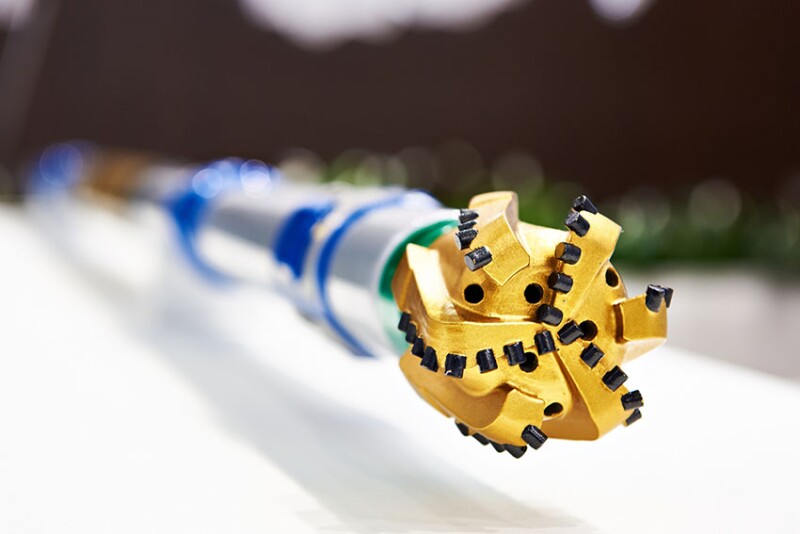
一家运营商专注于评估和验证其主要定向钻井服务提供商提供的一种新颖方法,该方法使用自动曲线钻井模式在无需人工干预的情况下自动钻探弯曲部分。自主曲线钻井技术有助于最大限度地减少人为错误,提高井定位的准确性,并提高钻井和修井作业的孔质量。
旋转导向系统 (RSS) 智能自推出以来一直在不断改进。1990年左右,当RSS方法被引入时,与RSS工具的通信只是单向的;下行命令通过流量变化发送,并监控响应。为了进行更正,需要通过发送新的下行链路命令进行人工干预。
An operator focused on evaluating and validating a novel approach from its major directional-drilling-service provider using the autocurve-drilling mode to drill curved sections automatically without human intervention. The autonomous curve-drilling technology helped minimize human error, enhance accuracy of well positioning, and improve hole quality for drilling and workover operations.
Rotary-steerable-system (RSS) intelligence has been improving since its introduction. Around 1990, when the RSS method was introduced, communication with RSS tools was only one-way; downlink commands were sent through flow variations, and the response was monitored. For corrections, human intervention was required by sending new downlink commands.